
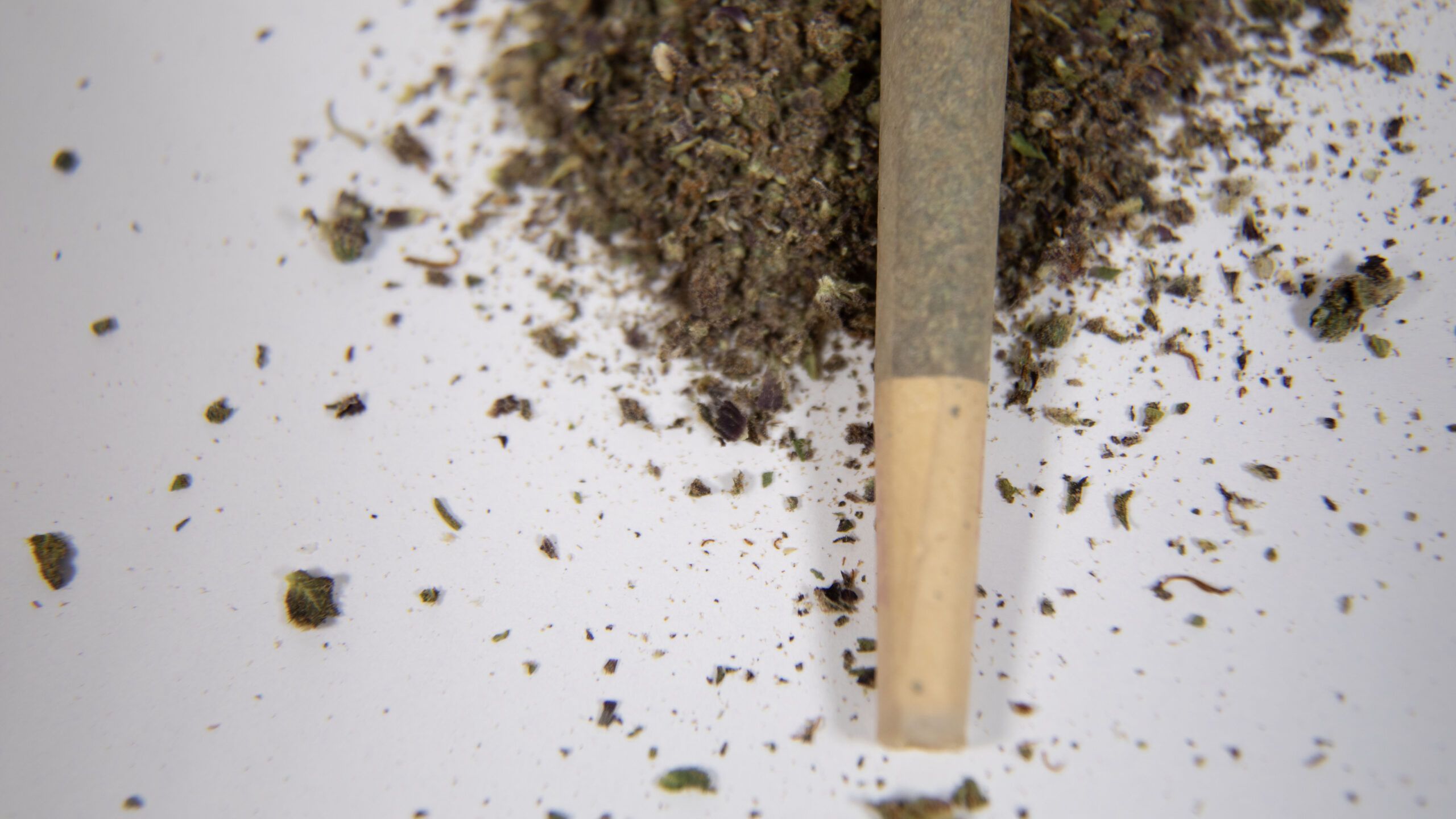
For many adults exploring cannabis, one of the first questions that comes up is whether to smoke or vape. Both methods involve inhaling cannabis, but they work differently and can create different experiences. Understanding how each method works can help consumers choose what fits their preferences.
What Is Smoking Cannabis?
Smoking cannabis involves burning the plant material and inhaling the smoke. This is the most traditional and widely known way to consume cannabis.
Common smoking methods include:
- Joints – cannabis rolled in rolling papers
- Pipes – small handheld devices for burning flower
- Bongs – water pipes that cool the smoke before inhalation
- Blunts – cannabis rolled in tobacco leaf wraps
When cannabis burns, it reaches temperatures around 600–900°C, producing smoke that contains cannabinoids like THC and CBD, as well as other compounds from combustion.
Key characteristics of smoking:
- Fast onset (effects usually begin within minutes)
- Strong, noticeable aroma
- Simple equipment and widely accessible
- Some cannabinoids and terpenes are destroyed by high heat
Research published in the Journal of Cannabis Research and reports from organizations like the Centers for Disease Control and Prevention (CDC) note that combustion also creates tar and potentially harmful byproducts, similar to other forms of smoke inhalation.
What Is Vaping Cannabis?
Vaping cannabis uses a vaporizer device that heats cannabis without burning it. Instead of smoke, the device produces a vapor that contains cannabinoids and aromatic compounds called terpenes.
Vaporizers typically heat cannabis between 160–220°C, which is hot enough to release cannabinoids but below the temperature needed for combustion.
Common types of vaporizers include:
- Dry herb vaporizers (for cannabis flower)
- Vape pens (for cannabis oil cartridges)
- Portable or desktop vaporizers
Key characteristics of vaping:
- Produces vapor rather than smoke
- Often smoother and less harsh on the throat
- Usually produces less odor
- Can preserve more terpenes for flavor
A 2018 study published in JAMA Network Open found that vaporizing cannabis may expose users to fewer toxic byproducts compared with smoking.
Smoking vs. Vaping: Key Differences
Here are the main distinctions beginners should know:
Smoking cannabis
- Burns cannabis (combustion)
- Produces smoke and stronger smell
- Simpler and often cheaper to start
- Higher exposure to combustion byproducts
Vaping cannabis
- Heats cannabis without burning it
- Produces vapor instead of smoke
- Often smoother and more flavorful
- Requires a vaporizer device
The Bottom Line
Both smoking and vaping deliver cannabinoids quickly through inhalation, but they differ in temperature, flavor, efficiency, and potential exposure to harmful compounds. Many beginners choose vaping for its smoother experience and reduced smoke, while others prefer the simplicity and tradition of smoking.